






Educational Content Only

Understanding Nutrition for Men's Well-being

An independent educational resource that explains the general principles of balanced nutrition, the roles of essential vitamins and minerals, and the foundations of healthy dietary practices.

Educational content only. No promises of outcomes.

Fresh vegetables and whole grains on a wooden table representing balanced nutrition

The Pillars of Male Nutrition

An overview of the key nutritional components that contribute to a balanced diet, described in the context of general physiological function and overall well-being.

Macronutrient Balance

The human body relies on proteins, carbohydrates, and fats in proportional amounts. Each macronutrient group serves distinct physiological roles, from energy metabolism to structural maintenance of tissues.

Micronutrient Diversity

Vitamins and minerals, though required in smaller quantities, are integral to biochemical processes such as enzyme function, cellular repair, immune response, and energy conversion within the body.

Dietary Fiber

Fiber, sourced primarily from plant-based foods, plays an important role in supporting the digestive system. It also contributes to a sustained sense of satiety and influences the rate of nutrient absorption.

Adequate Hydration

Water is a fundamental component of nearly every physiological process, including temperature regulation, nutrient transport, and waste removal. Consistent fluid intake supports optimal bodily functions.

Antioxidant Intake

A variety of plant-derived compounds act as antioxidants within the body, contributing to the neutralization of free radicals. These compounds are found abundantly in fruits, vegetables, and certain grains.

Consistent Eating Patterns

The regularity and structure of meal timing can influence metabolic processes. A consistent, varied dietary pattern generally provides a more reliable supply of the nutrients the body utilizes continuously.

Essential Vitamins and Minerals: A Comprehensive Guide

The following reference presents key vitamins and minerals, describing their general recognized physiological roles. This information is drawn from established nutritional science and describes how these compounds function within human biology.

Informational Context

This table presents general educational information about vitamins and minerals. It does not constitute individualized nutritional guidance or a substitute for consultation with a qualified professional. Dietary needs vary among individuals.

Nutrient General Role Common Food Sources
Vitamin D Supports calcium absorption, contributes to bone mineral density and immune function. Fatty fish, egg yolks, fortified dairy products, sunlight exposure.
Zinc Involved in enzyme activity, protein synthesis, and immune system function. Oysters, red meat, poultry, legumes, nuts, seeds.
Magnesium Participates in over 300 enzymatic reactions, including energy production and muscle function. Leafy greens, nuts, seeds, whole grains, legumes.
Vitamin B12 Essential for red blood cell formation, neurological function, and DNA synthesis. Meat, fish, dairy products, eggs, fortified cereals.
Vitamin C Required for collagen synthesis, functions as an antioxidant, supports immune processes. Citrus fruits, bell peppers, strawberries, broccoli, kiwi.
Omega-3 Polyunsaturated fatty acids contributing to cell membrane integrity and general metabolic balance. Fatty fish (salmon, mackerel), flaxseeds, walnuts, chia seeds.
Vitamin B Complex A group of nutrients involved in energy metabolism, red blood cell production, and nervous system support. Whole grains, legumes, eggs, dairy, leafy vegetables.
Iron Component of hemoglobin, which transports oxygen throughout the bloodstream. Red meat, spinach, legumes, fortified cereals, tofu.
Colorful assortment of fruits and vegetables rich in natural vitamins and minerals

Dietary Sources for Vitality

Different food groups contribute distinct nutrient profiles to the overall diet. Understanding these groups provides context for the principles of dietary variety.

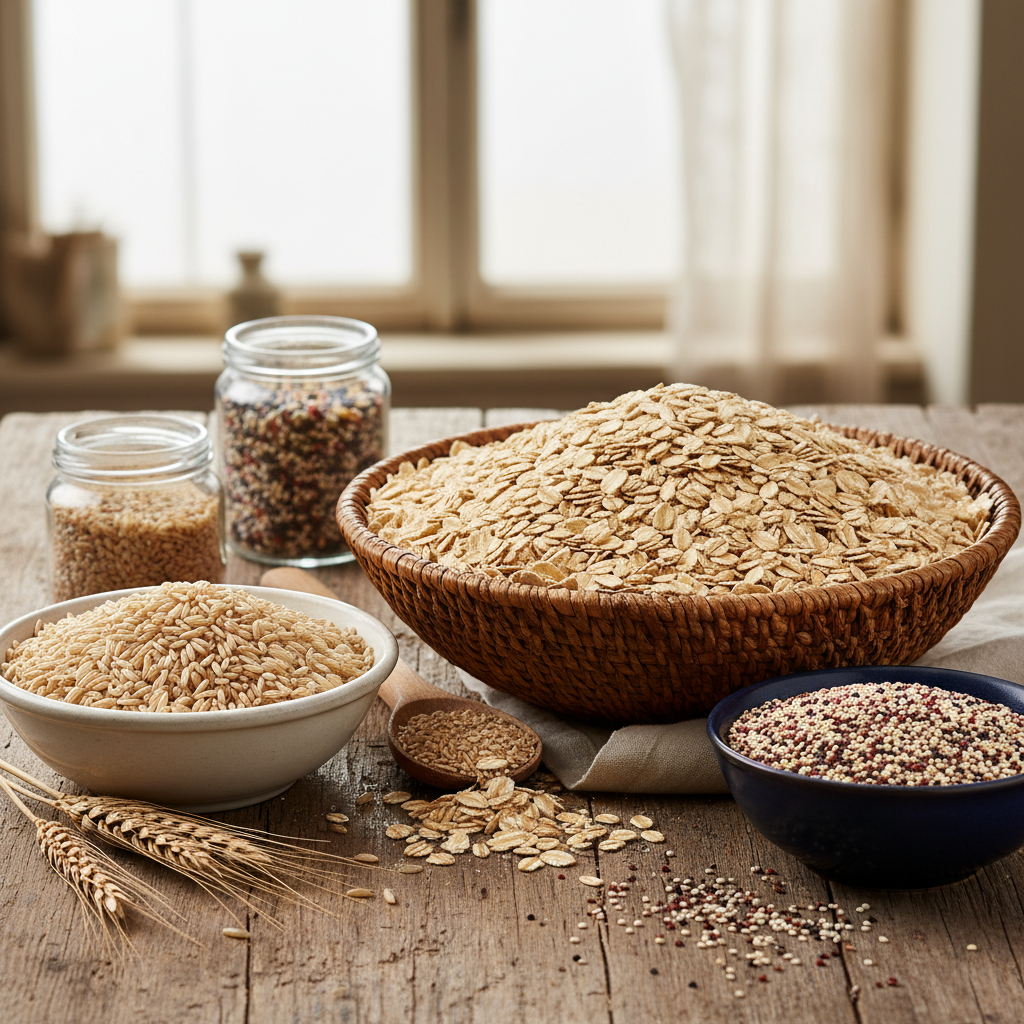
Assortment of whole grain foods including oats, brown rice, and quinoa

Whole Grains

Whole grains retain their bran and germ layers, preserving dietary fiber, B vitamins, iron, magnesium, and antioxidants. Examples include oats, brown rice, barley, quinoa, and whole wheat. These foods are a primary source of complex carbohydrates, which provide sustained energy over extended periods.

Various lean protein sources including fish, legumes, and eggs arranged on a surface

Lean Proteins

Protein sources such as fish, poultry, legumes, eggs, and low-fat dairy provide essential amino acids required for tissue repair, enzyme production, and immune function. The diversity of protein sources also contributes to overall micronutrient intake, as each source carries a different nutritional composition.

Avocado, nuts, olive oil, and seeds representing healthy unsaturated fats

Healthy Fats

Unsaturated fats, found in foods such as avocados, olive oil, nuts, and fatty fish, are essential for fat-soluble vitamin absorption (vitamins A, D, E, K), cell membrane function, and various metabolic processes. Dietary fats represent a concentrated energy source and are integral to overall nutritional balance.

Hydration and Its Importance

Water constitutes approximately 60% of the adult human body and is involved in nearly all physiological processes. These include thermoregulation, nutrient transport, joint lubrication, and the facilitation of biochemical reactions at the cellular level.

Adequate fluid intake varies according to body size, physical activity levels, environmental temperature, and individual metabolism. Fluids are obtained not only from drinking water but also from the water content naturally present in many foods, particularly fruits and vegetables.

Electrolytes — minerals such as sodium, potassium, and magnesium — are dissolved in bodily fluids and play critical roles in maintaining cellular fluid balance, nerve signal transmission, and muscle contraction.

60% of the human body is composed of water
2.5L average daily fluid turnover in adults
75% of brain tissue is water by weight
3 electrolytes essential for fluid balance (Na, K, Mg)
A well-balanced meal plate showing portions of protein, complex carbohydrates, and healthy fats

Understanding Macronutrients: Proteins, Carbs, and Fats

Macronutrients are the three primary classes of nutrients required in substantial amounts to support bodily functions. Each serves unique and complementary roles in human physiology.

Proteins

Composed of amino acids, proteins serve as the structural components of muscles, connective tissue, enzymes, and immune antibodies. The body uses 20 amino acids, nine of which must be obtained through diet (essential amino acids).

Carbohydrates

Carbohydrates are the body's primary energy substrate, particularly for the brain and during physical activity. Complex carbohydrates from whole grains and legumes provide a more gradual release of glucose compared to simple sugars.

Dietary Fats

Fats provide 9 calories per gram, making them the most energy-dense macronutrient. They are essential for the absorption of fat-soluble vitamins, hormone biosynthesis, brain function, and the structural integrity of cell membranes.

Antioxidants and Cellular Health

Antioxidants are compounds found naturally in many foods that interact with free radicals — unstable molecules generated through normal metabolic processes and environmental exposures.

Vitamin E

A fat-soluble antioxidant found in nuts, seeds, and vegetable oils. It contributes to the protection of cell membranes from oxidative processes.

Vitamin C

A water-soluble antioxidant abundant in citrus fruits and bell peppers, known to regenerate other antioxidants including Vitamin E within the body.

Flavonoids

A diverse group of plant-based compounds found in berries, tea, apples, and cocoa. They are studied extensively for their antioxidant properties in nutritional science.

Beta-Carotene

A precursor to Vitamin A found in orange and yellow vegetables such as carrots, sweet potatoes, and squash. It is a well-studied carotenoid with antioxidant characteristics.

The Role of Fiber in Digestive Wellness

Dietary fiber refers to the indigestible portion of plant-based foods. Unlike other carbohydrates, fiber passes through the digestive system largely intact, influencing its function along the way.

  • Fiber supports the regularity of digestive movement and contributes to stool bulk formation.
  • Soluble fiber can bind to certain substances in the digestive tract, affecting their absorption rate.
  • Prebiotic fibers serve as a substrate for beneficial microorganisms within the gut microbiome.
  • High-fiber foods generally have a lower energy density and promote prolonged satiety after consumption.
  • Diverse sources of plant fiber contribute to a varied gut microbiome composition, which is an active area of nutritional research.

Soluble Fiber

Dissolves in water to form a gel-like substance. Found in oats, barley, legumes, apples, and citrus fruits. Slows digestion and glucose absorption.

Insoluble Fiber

Does not dissolve in water. Found in whole wheat bran, nuts, and many vegetables. Adds bulk to stool and supports regular digestive transit.

Prebiotic Fiber

Selectively fermented by gut bacteria. Found in chicory root, garlic, onion, and leeks. Acts as nourishment for beneficial gut microorganisms.

Resistant Starch

A form of starch that resists digestion in the small intestine. Found in green bananas, cooked and cooled potatoes, and whole grains.

Person preparing a colorful, balanced meal with fresh vegetables in a bright kitchen

Sustainable Eating Habits

Nutritional science consistently indicates that long-term dietary patterns have more significance for overall well-being than short-term interventions. The following describes general principles underlying consistent, balanced eating.

1

Dietary Variety

Consuming a wide range of foods across different food groups helps ensure exposure to the full spectrum of nutrients, many of which cannot be obtained from a single source.

2

Seasonal and Whole Foods

Minimally processed, whole foods generally retain higher concentrations of vitamins, minerals, and fiber compared to heavily processed alternatives.

3

Meal Structure Awareness

Distributing nutrient intake across multiple meals during the day supports steady metabolic activity and helps avoid large fluctuations in blood glucose levels.

4

Mindful Consumption

Paying attention to hunger and satiety cues, and eating without significant distraction, can contribute to more appropriate portion recognition and digestive comfort.

Navigating Nutritional Information: A Critical Approach

The landscape of nutritional information is broad and sometimes contradictory. Developing an informed, critical perspective when evaluating dietary content is a valuable skill.

Source verification: Prioritize information published in peer-reviewed scientific journals or by recognized public health institutions over commercial sources.

Study context: Individual studies may produce findings that differ from established consensus. Meta-analyses and systematic reviews offer a broader view of the evidence base.

Recognizing claims: Be cautious of absolute language such as "cures," "guarantees," or "proven results." Nutritional science is nuanced and individual responses vary considerably.

Conflict of interest: Consider whether information sources have financial relationships with industries that may benefit from specific dietary recommendations.

Individual variation: General nutritional guidelines describe population-level patterns. Individual needs are shaped by genetics, age, activity level, and existing conditions.

Open books and nutritional reference materials on a clean desk representing research and information literacy

Historical Perspectives on Diet

The understanding of nutrition has evolved considerably over centuries, shaped by observation, experimentation, and the gradual development of biochemistry as a science.

Ancient Observations

Early cultures recognized that certain foods were associated with physical strength or the alleviation of certain conditions, without a scientific framework to explain the mechanisms involved.

18th–19th Century

Scientific inquiry began to identify specific dietary deficiencies associated with conditions such as scurvy and rickets. The concept of essential dietary components began to take shape.

Early 20th Century

The isolation and identification of vitamins — beginning with vitamin B1 (thiamine) and vitamin C — established nutritional science as a distinct discipline within biochemistry.

Late 20th Century–Present

Research expanded to include the gut microbiome, epigenetic effects of nutrition, and population-level dietary patterns, revealing the complexity of the relationship between diet and human biology.


Vintage botanical illustrations and natural food ingredients representing the historical study of nutrition

Cooking for Health: Simple Strategies

Food preparation methods can significantly influence the nutrient retention of ingredients. Understanding these principles helps contextualize how cooking choices relate to overall diet quality.

01

Preserve Nutrients with Heat Management

Water-soluble vitamins such as B vitamins and vitamin C are sensitive to heat and can leach into cooking water. Steaming or brief stir-frying generally preserves more of these nutrients compared to boiling for extended periods.

02

Enhance Absorption through Pairing

Certain nutrient combinations improve bioavailability. For example, consuming iron-rich plant foods alongside vitamin C sources can increase the body's absorption of non-haem iron from the digestive tract.

03

Limit Ultra-Processing

Minimally processed foods retain a greater proportion of their natural fiber, vitamins, and phytonutrients. Preparing meals from whole ingredients reduces exposure to additives and preservatives commonly found in packaged foods.

04

Diversity in Cooking Methods

Varying cooking techniques — including roasting, steaming, raw preparation, and fermentation — can each preserve different nutritional properties of foods and contribute to a broader overall nutrient profile.

05

Use Fat-Soluble Vitamins Effectively

Vitamins A, D, E, and K are absorbed more efficiently when consumed alongside dietary fat. Including a source of healthy fat — such as olive oil or avocado — in meals containing these vitamins supports their absorption.

06

Fermentation and Bioavailability

Fermented foods such as yogurt, kefir, and certain whole-grain breads may contain modified nutrient structures and live microorganisms that contribute to gut microbiome diversity, according to current research.

Lifestyle and Nutrition Synergy

Nutritional choices do not function in isolation. They interact with other aspects of daily life in ways that are acknowledged throughout nutritional science and general well-being research.

Physical Activity and Nutrient Utilization

Regular physical activity influences how the body uses and requires certain nutrients. Active individuals often have different energy and protein requirements compared to sedentary lifestyles.

Sleep and Metabolic Function

Sleep quality has documented relationships with appetite-regulating hormones and metabolic efficiency. Nutritional choices, in turn, can influence sleep quality through various biochemical pathways.

Environmental and Social Factors

Dietary choices are also shaped by cultural traditions, social environments, food availability, and economic factors — aspects that nutritional research increasingly considers in its frameworks.

Stress and Nutritional Needs

Chronic psychological stress can affect dietary behaviors, appetite, and the body's utilization of certain micronutrients. This bidirectional relationship is an active area of research in nutritional psychology.

Person walking outdoors in nature, representing an active and balanced lifestyle

Continue Your Educational Journey

Myraxa provides structured, evidence-referenced information on nutritional science topics. Explore our dedicated resources on men's nutrition, read our FAQ, or discover further reading on specific topics.

Educational content only. No promises of outcomes.

Content and Context Disclaimer

All information presented on Myraxa is intended for general educational purposes only. The content describes established principles of nutritional science and does not constitute individualized dietary guidance, nor does it represent a substitute for consultation with a qualified nutrition or healthcare professional. Nutritional requirements and responses vary significantly between individuals. Myraxa does not provide personalized advice or recommendations, and the presence of this information does not imply endorsement of any specific dietary approach.